Masquerade Ball suffered defeat in the King George VI and Queen Elizabeth Stakes, and in the aftermath there has been much debate over the reasons behind the disappointing performance. Most observers
More Than Just the Ascot Track: Reassessing Masquerade Ball's King George Loss
 More Than Just the Ascot Track: Reassessing Masquerade Ball's King George Loss
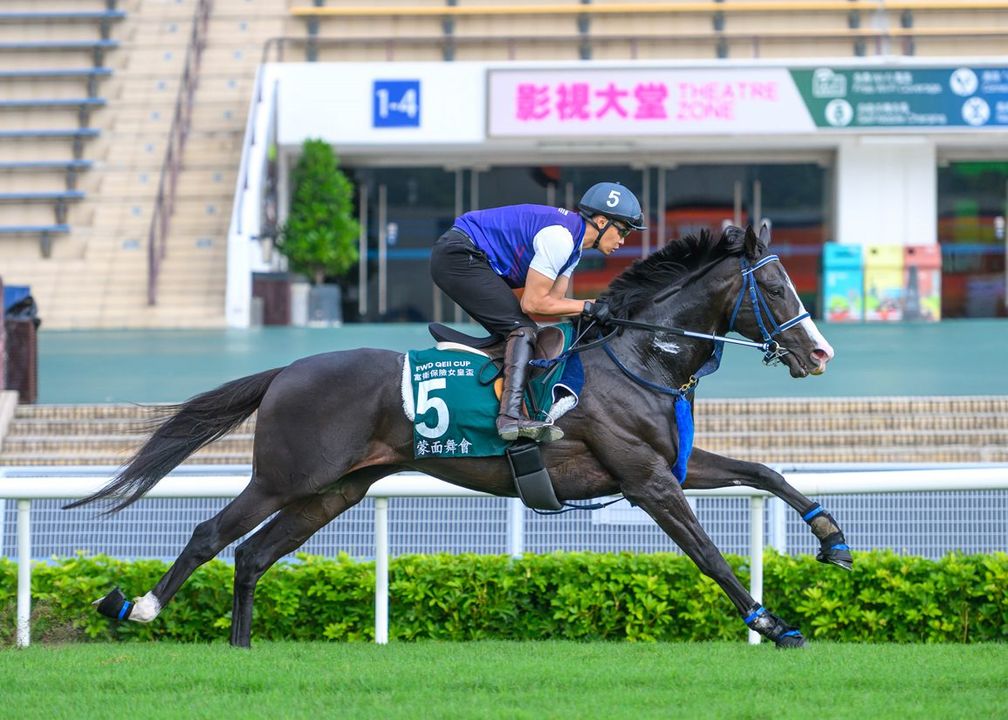
Masquerade Ball suffered defeat in the King George VI and Queen Elizabeth Stakes, and in the aftermath there has been much debate over the reasons behind the disappointing performance. Most observers have attributed the loss to the horse's inability to adapt to Ascot's unique track configuration. However, beyond that commonly cited explanation, there may be two other factors that have received far less attention.
First is the issue of weight carried. In this race, four-year-old and older colts and geldings were required to carry 135 pounds, whereas Masquerade Ball had previously raced in both Japan and Hong Kong carrying only 126 pounds. While the weight conditions applied equally to most of his rivals, it should not be overlooked that this was the first time he had raced under such a burden. Taking on an unfamiliar 135-pound assignment while also tackling Ascot's demanding undulations and stiff finish undoubtedly increased the degree of difficulty. The extra weight may well have placed greater strain on his stamina and limited his finishing kick.
The second factor concerns environmental adaptation. Many years ago, I came across an online video—now seemingly lost—in which a man claiming to have been a groom for the legendary Indigenous recounted the horse's experience when travelling to Ascot for the King George Diamond Stakes (the predecessor to today's King George VI and Queen Elizabeth Stakes). According to the account, Indigenous became visibly agitated in the saddling area because loudspeakers were broadcasting race commentary at a high volume. The unfamiliar noise reportedly unsettled the horse, preventing him from producing his best performance. The same video mentioned that when "Indigenous" later contested the Japan Cup, the saddling environment was markedly calmer and more familiar, allowing the horse to relax and ultimately finish second.
Looking back at Masquerade Ball pre-race behaviour, he too appeared somewhat impatient and unsettled during the saddling process. Given the significant differences between the racing environments in Britain and Japan—including crowd atmosphere, public announcements, and overall race-day surroundings—it is entirely possible that these external factors affected his mental state. Rather than attributing the defeat solely to Ascot's track configuration, environmental adaptation may have been an equally important, yet largely overlooked, reason for Masquerade Ball below-par performance.
By: Leo Chan (Big Iron)
Photo: HKJC